
The Advantages of HVDC Cables Compared to HVAC Cable Distribution
An overview of HVDC cable transmission
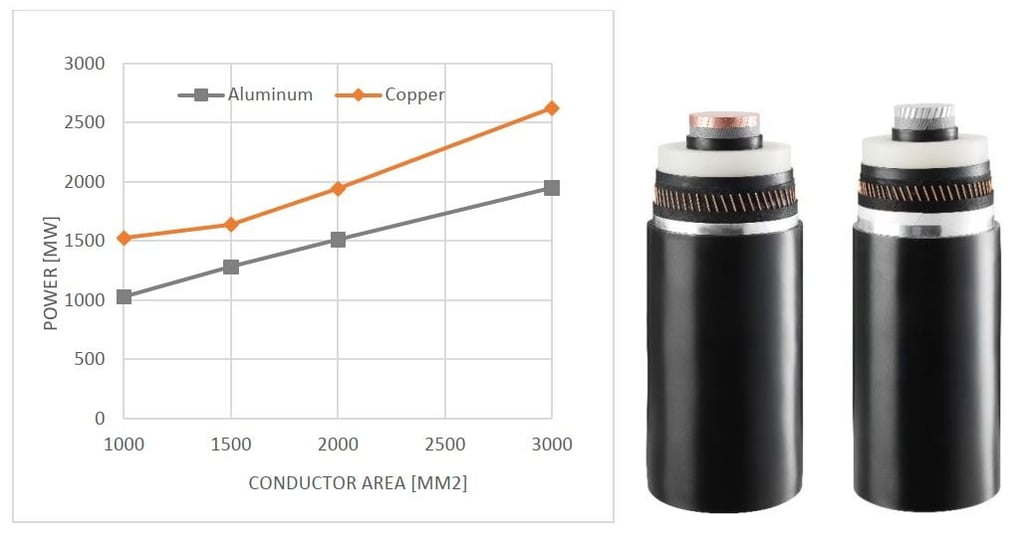
Introduction to HVDC and HVAC Systems
High Voltage Direct Current (HVDC) and High Voltage Alternating Current (HVAC) are two fundamental methods used in electrical power transmission. While HVAC has been the conventional approach for many decades, the emergence of HVDC technology has brought significant advancements, including increased transmission efficiency and reduced losses. This blog post explores the various advantages of HVDC cables over HVAC cable distribution systems.
Improved Transmission Efficiency
One of the main advantages of HVDC cables is their superior transmission efficiency. HVDC systems can transmit power over long distances with minimal losses compared to HVAC systems. The phenomenon occurs because HVDC eliminates the reactive power component that is inherent in AC systems. Consequently, it allows electrical energy to be transmitted more effectively, particularly in situations that involve long-distance transportation.
Reduced Line Losses and Costs
When operating HVAC systems, power losses due to electrical resistance in cables can significantly impact overall efficiency. HVDC cables, however, reduce line losses, leading to decreased operational costs. Furthermore, HVDC technology tends to require fewer conductors and physical infrastructure, which can further drive down expenses related to installation and maintenance. As cities and regions continue to grow, the utilization of HVDC will likely prove advantageous in meeting future energy demands.
Enhanced Grid Stability and Reliability
Another notable benefit of HVDC systems is their contribution to grid stability. HVDC technology offers better control of power flows, allowing operators to regulate the flow of electricity to balance supply and demand more effectively. This capability is critical in integrating renewable energy sources such as wind and solar. As such, HVDC cables enhance the reliability of electrical grids, making them more resilient to fluctuations and disturbances.
Conclusion
In conclusion, the advantages of HVDC cables compared to HVAC cable distribution are becoming increasingly apparent as the demand for energy continues to rise. Improved transmission efficiency, reduced line losses, and enhanced grid stability are just a few of the key benefits that HVDC technology presents. In the face of evolving energy landscapes and the growing necessity for sustainable solutions, HVDC systems stand out as a progressive choice for future electrical power transmission.